
Fuel Your Performance: Nutrition for Active Living
Discover how strategic nutrition can transform your athletic performance, recovery, and overall health. Learn evidence-based principles to optimize your diet for the demands of an active lifestyle.
Why Proper Nutrition Matters
Consistent fuel delivery powers sustained athletic performance and prevents mid-workout crashes.
Proper nutrient timing accelerates muscle repair and reduces soreness after intense training sessions.
Adequate protein and micronutrients support muscle growth and functional capacity development.
Strategic carbohydrate and electrolyte management extends your aerobic capacity and stamina.
The Science Behind Active Nutrition
Your body during exercise operates as a complex metabolic machine. When you engage in physical activity—whether cardiovascular training, strength work, or endurance sports—your muscles demand a constant supply of energy substrates, vitamins, minerals, and amino acids. Without strategic nutritional support, your performance plateaus and recovery suffers.
Research demonstrates that athletes with optimized nutrition plans experience measurably better performance metrics, faster recovery times, and improved body composition compared to those eating haphazardly. The difference isn't just about calories—it's about nutrient timing, macro distribution, and micronutrient adequacy tailored to your specific training demands.
At Wellnessnutritionpath, we guide you through evidence-based nutrition strategies that align with your activity level, goals, and lifestyle. Whether you're training for competition or simply maintaining an active routine, proper nutrition is the foundation of sustainable results and enhanced wellbeing.
Read Nutrition Tips
Core Nutrition Pillars for Athletes
Carbohydrates
Your primary fuel source for high-intensity exercise. Carbs replenish muscle glycogen, sustain energy during workouts, and support brain function under physical stress. Choose whole grains, fruits, and starchy vegetables to fuel performance.
Protein
Essential for muscle repair and growth after training. Athletes require 1.2 to 2.0 grams per kilogram of body weight daily. Include diverse sources: lean meats, fish, eggs, dairy, legumes, and plant-based options for complete amino acid profiles.
Hydration
Dehydration reduces performance by 10-20% or more. Drink water consistently before, during, and after exercise. For efforts exceeding 60 minutes, include electrolytes and carbohydrates to maintain performance and prevent cramping.
Micronutrients
Vitamins and minerals regulate energy production, support immune function, and aid recovery. Iron, magnesium, zinc, vitamin D, and antioxidants become especially important under training stress. Get variety from colorful whole foods.
Healthy Fats
Support hormone production, reduce inflammation, and provide sustained energy. Include omega-3 rich sources like fatty fish, nuts, seeds, and olive oil. Fats should comprise 20-35% of total calories for optimal function.
Nutrient Timing
When you eat matters as much as what you eat. Pre-workout meals (2-3 hours before) support energy. Post-workout nutrition (within 30-60 minutes) maximizes recovery. Consistent meal timing optimizes overall adaptation and performance.
Your Nutrition Optimization Journey
Week 1: Assessment & Baseline
Begin by documenting your current eating patterns, activity level, and performance goals. Track your energy levels, recovery quality, and how you feel during workouts. Take photos and baseline measurements. This week focuses on awareness—understanding your current nutritional status without judgment. Note any digestive issues, cravings, or energy crashes that occur at specific times.
Key action: Keep a 7-day food diary and note your training performance alongside meals.
Week 2: Foundation Building
Establish core habits that support athletic nutrition. Implement consistent hydration (target: half your body weight in ounces daily). Begin eating balanced meals with protein at each eating occasion. Focus on whole foods and eliminate ultra-processed options. Establish a basic meal prep routine for 3-4 meals. Your goal: fuel your body adequately and establish eating consistency around training.
Key action: Prep one batch of protein and one batch of whole grains or vegetables for the week.
Week 3: Strategic Optimization
Fine-tune nutrient timing around your training schedule. Establish a pre-workout meal 2-3 hours before intense sessions. Create a post-workout refuel strategy within 60 minutes of finishing exercise. Calculate your approximate daily caloric and macronutrient needs based on activity level. Test different carbohydrate and protein ratios to find what supports your energy and recovery best. Notice improvements in workout performance and how you feel.
Key action: Plan and execute meals strategically around your three hardest training sessions this week.
Week 4: Integration & Progress Evaluation
Your optimized nutrition plan should now feel natural. Continue the habits that improved your performance and drop those that didn't. Retake your baseline measurements and assess changes in energy, recovery speed, and performance metrics. Document how your body composition and training capacity have evolved. Establish this as your foundation for ongoing nutrition, adjusting as your training demands change or you progress toward new goals.
Key action: Repeat your Week 1 assessment and compare results. Set your next 4-week nutrition focus based on remaining gaps.
Nutrition Strategies in Action
Balanced Plate Method
Fill half your plate with vegetables and fruits for micronutrients and fiber. One quarter with lean protein. One quarter with whole grains or starchy vegetables. This simple visual approach ensures balanced nutrition without complex calculations.
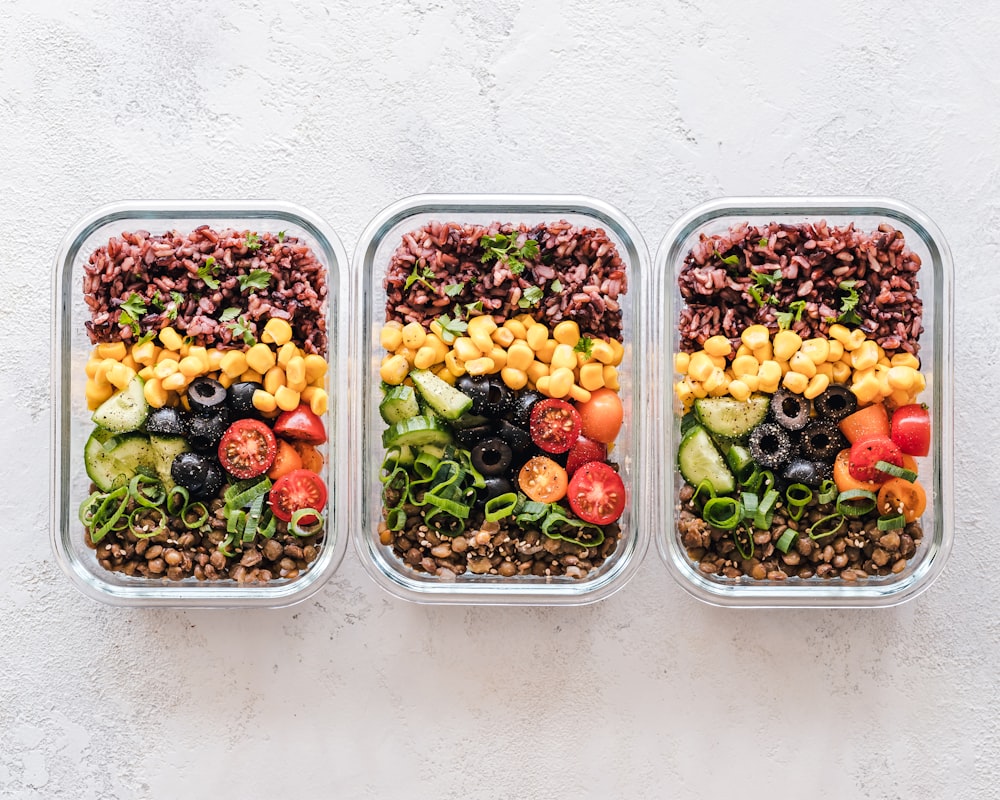
Weekly Meal Prep
Dedicate 2-3 hours weekly to prepare proteins, grains, and vegetables. Store in portion-controlled containers. This approach eliminates decision fatigue, ensures consistent nutrition around training, and saves money compared to restaurant meals.

Smart Smoothies
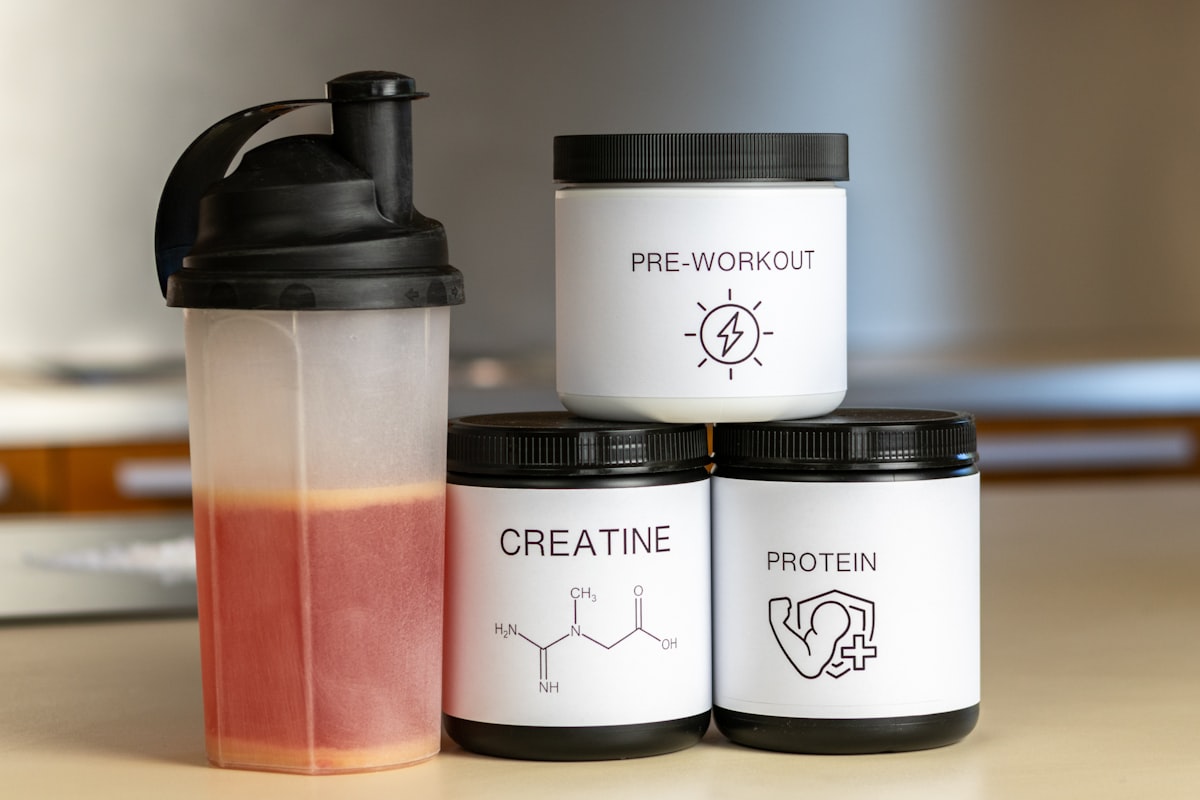
Blend protein powder, fruit, vegetables, Greek yogurt, and healthy fats for a convenient nutrient-dense meal. Perfect post-workout when whole food feels heavy. Customize to match your carbohydrate and protein needs for specific training phases.

Portable Snacking
Pack nutrient-dense snacks: nuts, seeds, fruit, hard-boiled eggs, cheese. These portable options prevent energy crashes during long training days or competitions. Portion in advance to avoid overeating processed alternatives.

Strategic Hydration
Drink water consistently throughout the day—not just during workouts. For training exceeding 60 minutes, consume a carbohydrate-electrolyte beverage every 30-45 minutes. Custom-colored water bottles help track intake and build the habit.

Recovery Recipes
Prepare overnight oats, protein pancakes, or yogurt parfaits in advance. These recovery meals combine carbs and protein in convenient, delicious formats. Perfect for post-workout feeding when appetite is suppressed but refueling is critical.
Common Questions About Active Nutrition
How much protein do athletes really need daily?
+General recommendations suggest 1.2 to 2.0 grams of protein per kilogram of body weight daily for athletes, depending on your sport and training intensity. Endurance athletes typically need the lower end (1.2-1.4 g/kg), while strength and power athletes benefit from 1.6-2.0 g/kg. This translates to approximately 90-150 grams daily for a 70 kg athlete. Spread protein across 4-5 meals rather than consuming it all at once—your body can only synthesize approximately 20-40 grams per meal effectively. Consistency matters more than hitting the exact number daily; aim for adequate protein at each eating occasion.
What should I eat before and after training?
+Pre-workout (2-3 hours before): Eat a balanced meal with carbohydrates for energy, moderate protein for sustained satiety, and minimal fiber/fat to avoid digestive distress. Examples: oatmeal with banana and almond butter, rice with grilled chicken and vegetables, whole grain toast with eggs and berries.
Pre-workout (30-60 minutes before): If you can't eat a full meal, have a light, easily digestible option: banana, rice cakes with honey, apple with nut butter, or a sports drink. These provide quick carbohydrates without heaviness.
Post-workout (within 60 minutes): Prioritize carbohydrates to replenish glycogen and protein to initiate muscle repair. A 3:1 or 4:1 carbohydrate-to-protein ratio works well. Examples: chocolate milk, turkey sandwich on whole grain bread, Greek yogurt with granola and berries, smoothie with banana, protein powder, and oats.
How much water should an active person drink daily?
+General guideline: drink half your body weight (in pounds) in ounces of water daily. A 160-pound person would target 80 ounces (approximately 2.4 liters). However, athletes need more due to sweat losses. Add 16-24 ounces for every 30 minutes of moderate exercise. Individual needs vary based on climate, humidity, sweat rate, and exercise intensity. Monitor your urine color—pale yellow indicates good hydration; dark yellow suggests you need more fluid. Don't wait until you're thirsty to drink; thirst is a late indicator of dehydration. For exercises lasting over 60 minutes, include electrolytes (sodium, potassium) alongside water to maintain fluid balance and performance.
Should I take supplements if I eat well?
+A well-balanced diet should provide most nutrients you need. However, certain supplements can fill genuine gaps. Vitamin D is challenging to get from food alone, especially in climates with limited sunlight—athletes often benefit from supplementation. Iron is crucial for endurance athletes and menstruating individuals; deficiency impairs performance. Magnesium supports muscle function and may help recovery; many athletes are deficient. Omega-3 fish oil provides anti-inflammatory support. Creatine monohydrate has strong evidence for strength and power performance. Whey protein powder is convenient post-workout when whole foods aren't practical. Discuss specific supplements with a sports nutritionist or your healthcare provider—they can identify your actual deficiencies rather than guessing.
How do I fuel properly during long training sessions or competitions?
+For efforts lasting 60-90 minutes: drink water and consume 30-60 grams of carbohydrates per hour to maintain blood glucose and performance. Options include sports drinks, energy gels, energy bars, dates, or dried fruit.
For efforts lasting 90+ minutes: increase to 60-90 grams carbs per hour (especially for multiple-transportable carbohydrate sources like glucose and fructose which your gut can absorb simultaneously). Include electrolytes to maintain hydration. Consider adding a small amount of protein in ultra-endurance events (2-3 hours+) to support muscle preservation.
Practice your fueling strategy during training, never during competition. Your digestive system adapts to specific products and timing. Test different sports drinks, bars, and gels to find what your stomach tolerates while exercising. Individual tolerance varies dramatically—what works for a teammate may cause discomfort for you.
What's the best diet approach for athletes—keto, vegan, low-carb?
+The best diet is the one you can sustain while meeting your nutritional needs. Each approach has tradeoffs: ketogenic diets reduce carbohydrates which most high-intensity athletes need for peak performance. Vegan and vegetarian diets require more attention to complete protein combinations and certain micronutrients like B12 and iron. Low-carb diets may impair glycogen availability for training. Rather than adopting an extreme label, focus on principles: eat mostly whole foods, include adequate protein, get sufficient carbohydrates for your training intensity, include healthy fats, and ensure micronutrient variety. Personalize around your specific sport, training schedule, and food preferences. A flexible whole-food approach typically yields better results than rigid adherence to a trendy diet.
What Athletes Are Saying
Implementing the nutrition strategies from Wellnessnutritionpath transformed my training. My energy during workouts improved dramatically, recovery times shortened, and I finally see the body composition changes I've been working toward. The 4-week framework made the process manageable instead of overwhelming.
Marcus Chen
Jakarta, Indonesia
As an endurance athlete, I struggled with fueling during long training sessions and racing. The specific guidance on carbohydrate timing and electrolyte management eliminated my mid-race energy crashes. I now finish strong instead of fading in the final miles.
Siti Wardani
Bandung, Indonesia
The nutrition plan helped me understand that I don't need expensive supplements. Whole foods combined with proper hydration made a massive difference in my gym performance and recovery times. I feel stronger and more energized than ever.
Devi Patel
Mumbai, India
Ready to Transform Your Health?
Join hundreds of satisfied clients who've achieved their nutrition and wellness goals. Get personalized guidance tailored to your unique needs and lifestyle.
Frequently Asked Questions
Find answers to common questions about our nutrition coaching and wellness programs.
How long does it take to see results?
Do you offer meal plans for specific diets?
Is nutrition coaching covered by insurance?
Can I get support if I have food allergies?
What's included in the initial consultation?
Get Started Today
Schedule your free 15-minute discovery call with one of our nutrition experts. No obligation, just genuine support for your wellness journey.
© 2024 Wellness Nutrition Path. All rights reserved.
Privacy Policy | Terms of Service | Disclaimer